
A Newsletter Belongs to You. Your Followers Do Not.
Why an email list is worth more to a small business than any platform, how to collect addresses lawfully, and what on earth to write.
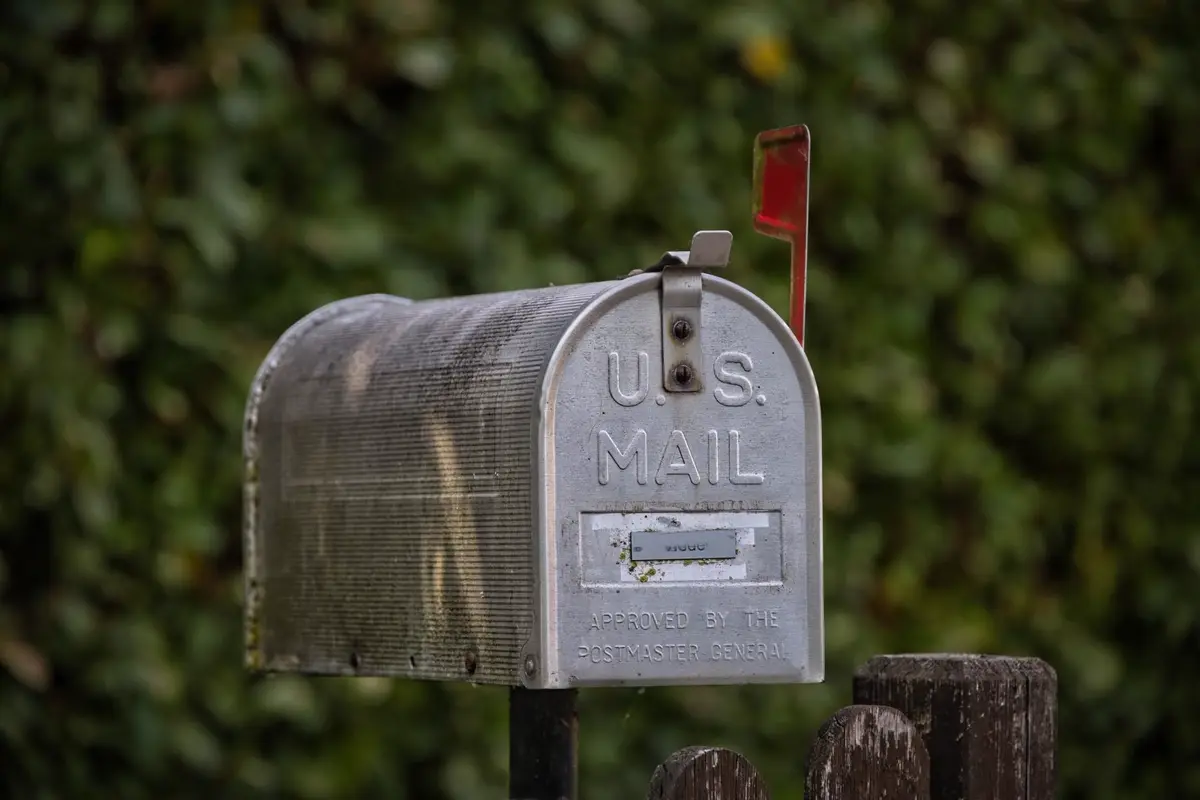
A platform can change its algorithm tomorrow, halve your reach or suspend your account. An email list cannot. It is the only channel you genuinely own, and for small businesses it is usually underrated.
Why especially for small businesses
Your customers are not buying today. They buy in eight months, when the topic becomes urgent. Until then you have to stay in their memory without being pushy. One email every four weeks does exactly that, at a cost close to zero.
Reach on a platform is rented. An email address is owned.
How to collect addresses lawfully
In Germany double opt in applies. Someone signs up, receives a confirmation email and has to actively agree in it. Only then may they be written to. That proof has to be logged, with a timestamp.
What is not allowed is simply taking addresses from contact forms or business cards. Someone who asked for a quote has not agreed to a newsletter.
What to write
The most common reason a newsletter never starts is this question. The answer is unspectacular: the same thing you would tell a customer on the phone.
- One thing you learned. A mistake from a project, a new regulation, a tool that proved worth it.
- One case, briefly told. Starting point, what was done, what came out of it.
- An answer to a real customer question.
Three paragraphs are enough. A long newsletter does not get read, a short one does.
The mistake that causes unsubscribes
Only writing when you want to sell something. If every email is an offer, the next one does not get opened. A ratio of three useful emails to one offer works considerably better.
If you are wondering whether this is worth it for your business, we are happy to look together at who would actually read your list.
Ready to talk about your project?
Get in touch — no obligation. We reply within 24 hours.